 By Kunal K Choudhary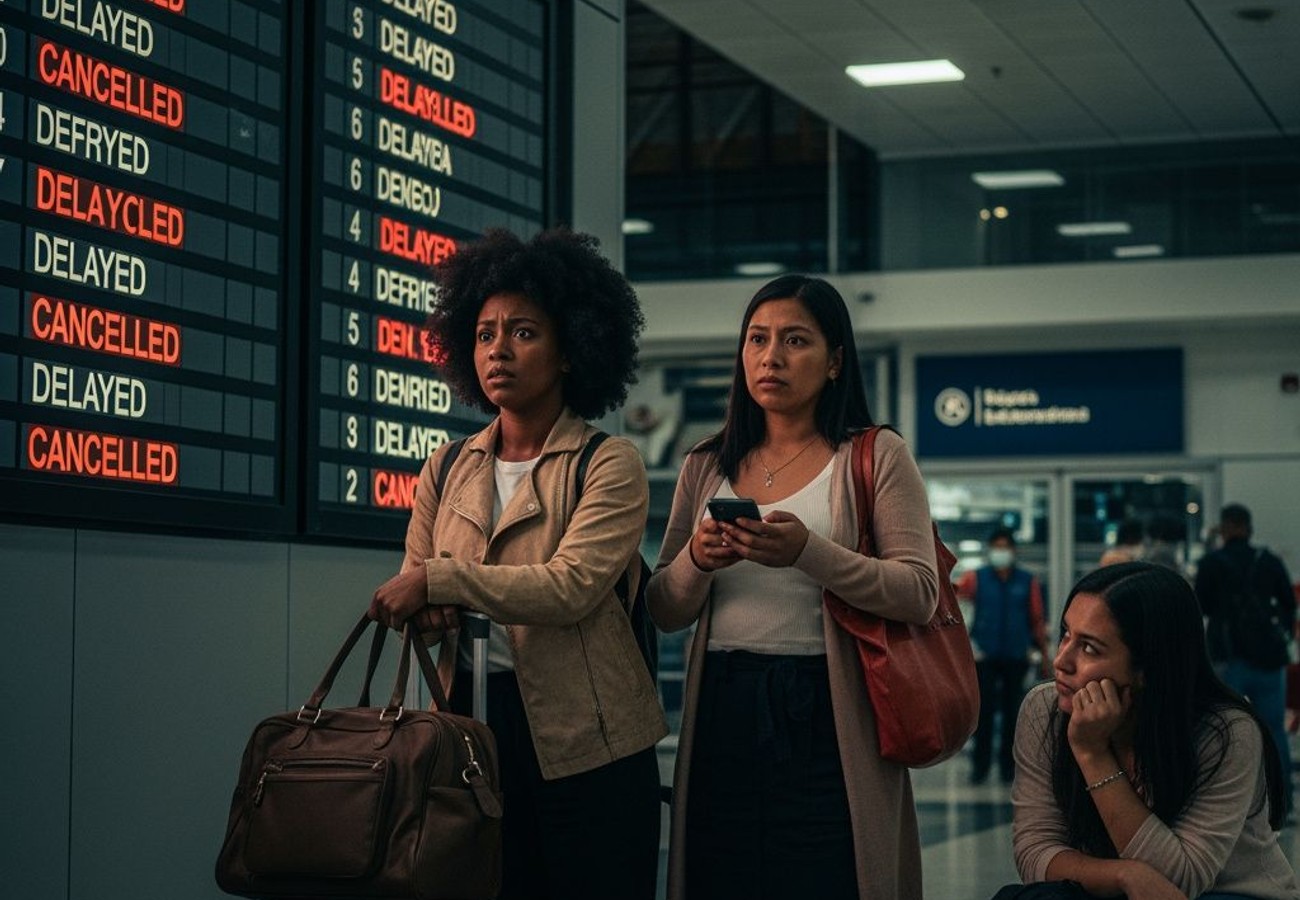
Chaos Erupts at Latin America's Busiest Aviation Hub
On June 19, 2026, El Dorado International Airport in Bogotá, Colombia descended into operational crisis as Avianca and LATAM Airlines grounded five flights simultaneously. What appeared to be a localized problem at a single terminal exploded into a regional connectivity nightmare, with passengers stranded across Brazil, Ecuador, Panama, Spain, and multiple U.S. gateways scrambling to rebook on fully booked flights.
The domino effect was swift and brutal. Hundreds of travelers found themselves rebooked on overbooked services, forced to overnight in unexpected cities, or watching their tight international connections evaporate in real-time. Families missed reunions. Business travelers blew million-dollar deals. The morning's operational hiccup became an afternoon disaster spanning six countries.
Breaking Down the Suspension Numbers
The math was straightforward—and devastating. Avianca cancelled three flights while simultaneously managing three additional delay situations. LATAM Airlines Ecuador added insult to injury by suspending two additional flights with zero reported delays in their own queue. Five aircraft on the ground at a critical moment meant roughly 1,200 empty seats that needed reassignment.
| Facility | Carrier | Cancellations | Delays |
|---|---|---|---|
| El Dorado (BOG) | Avianca | 3 | 3 |
| El Dorado (BOG) | LATAM Airlines Ecuador | 2 | 0 |
| Total Impact | Both Airlines | 5 | 3 |
This wasn't random incompetence—it was operational concentration at a facility handling over 35 million passengers annually. El Dorado serves as the primary hub for Avianca and a critical South American anchor for LATAM Airlines. When these two carriers suspend five flights simultaneously, the ripple effect propagates across dependent services, secondary hubs, and international networks almost instantaneously.
Secondary airports experienced the fallout immediately. Mariscal Sucre International in Quito, Ecuador; José María Córdova in Medellín, Colombia; and São Paulo-Guarulhos in Brazil reported cascading disruptions as inbound aircraft arrived late, creating bottlenecks for outbound services.
Reddit: "Stuck in Bogotá for 12 hours because of these cancellations. Avianca's app crashed trying to rebook 10,000 people simultaneously." — r/flights
Geographic Shockwave: From Colombia to Madrid
The disruption's footprint expanded far beyond Bogotá's city limits. Quito, Ecuador; Medellín, Colombia; São Paulo, Brazil; Panama City, Panama; and San Salvador, El Salvador all felt secondary pressure as connecting passengers were rerouted. But the real damage extended into smaller Colombian cities rarely mentioned in aviation news: Florencia, Neiva, Montería, Manizales, Quibdó, and Yopal all experienced significant delays as their outbound flights faced reassignment.
International routes suffered most dramatically. North American connections through Miami and Houston saw cascading misses. European services—particularly routes connecting through Madrid—experienced knock-on delays as aircraft that should have departed Bogotá remained stuck on the apron, creating domino conflicts across Atlantic schedules.
Why El Dorado Disruptions Matter Globally
El Dorado International Airport isn't just another Caribbean hub. It's the operational backbone for Latin America's second-largest airline and a major transit point for LATAM Airlines' extensive South American network. When five flights suspend at this facility, the mathematics of disruption follow exponential curves rather than linear progression.
Real-time tracking data from FlightAware demonstrates that delays originating at major Latin American hubs compound at roughly 3-4x their original scope when measured across international networks. A three-hour ground delay in Bogotá translates directly into missed connections in Miami, missed meetings in Houston, and empty hotel rooms in Los Angeles.
The airport operates at exceptional capacity utilization—meaning there's virtually no buffer slack in the system. Unlike less-busy facilities that can absorb operational hiccups through schedule flexibility, El Dorado runs so efficiently that even minor disruptions cascade immediately through dependent services.
Your Flight Got Cancelled: The Passenger Roadmap
If you were booked on one of these flights, you weren't merely inconvenienced—you possessed legal rights. Here's the exact sequence of actions that should have been taken:
Immediate Notification Response
The moment the cancellation appeared on your phone or at the gate desk, seconds mattered. Contact the airline through every available channel simultaneously: visit the service desk in person, call their phone line, and use the online chat function. The airline desk queues would have been overwhelming, but digital channels moved considerably faster and provided written documentation of your rebooking request.
Understanding Your Compensation Rights
This is crucial legally and financially. Within EU airspace, passengers qualify for compensation up to €600 depending on flight distance and disruption cause. Colombian carriers operate under different regulatory frameworks, but Avianca and LATAM Airlines maintain established policies providing passenger care in operational disruptions: meal vouchers, accommodation for overnight stays, and rebooking on alternative services.
Strategic Rebooking Beyond the Airline
Don't accept the first rebooking option. Request the next available seat on the airline's network, but simultaneously explore alternatives. Budget carriers servicing the same route, regional competitors, and even ground transportation options (premium bus services, rail connections where available) sometimes provided faster solutions without additional charges.
Documentation That Pays
Collect everything: confirmation emails, booking records, departure board photographs showing the cancellation, receipt for any out-of-pocket expenses. Screenshot your airline app showing the cancellation status. This documentation becomes essential for future compensation claims or travel insurance reimbursement—and it creates an irrefutable record if the airline disputes your claim later.
What This Reveals About Latin American Aviation
These five cancellations expose deeper infrastructure realities. While hubs like El Dorado operate with impressive efficiency metrics, they maintain almost zero slack in their operational margins. A single equipment malfunction, unexpected weather event, or air traffic control constraint triggers cascading cancellations across regional networks with alarming speed.
IATA's latest regional reporting indicates that Latin American carriers have substantially strengthened operational resilience since 2024, yet fundamental capacity limitations persist. The region's rapidly expanding middle class and increasing business travel demand continue outpacing infrastructure development at major hubs.
Notably, Avianca and LATAM Airlines maintain solid safety records and respectable on-time performance metrics when measured against industry standards. The decision to suspend flights preemptively rather than operate overbooked or dangerously delayed services actually reflects improved operational discipline. That said, operational discipline doesn't eliminate passenger disruption—it merely prevents worse outcomes.
Preventing Future Travel Disasters Through Proactive Monitoring
Passengers transiting through El Dorado or any major Latin American hub should implement aggressive monitoring protocols:
Enable push notifications through your airline's app. Monitor FlightAware's real-time tracking starting 48 hours before departure. Build minimum four-hour layover buffers when connecting through major hubs. Book flights during off-peak windows (early morning or late evening departures) when operational backups have minimal cascading impact on subsequent services.
Subscribe to airline status alerts. Some regional carriers offer SMS notification services when operational issues emerge. Travel insurance with flight disruption coverage becomes increasingly valuable when connecting through high-capacity hubs during peak travel periods.
Operational Adjustments Following the Disruption
Expect both Avianca and LATAM Airlines to adjust scheduling protocols at El Dorado in coming weeks. Airlines typically increase minimum ground times between services and reduce scheduling density during peak periods following major operational incidents. Passengers may experience longer airport dwell times, but theoretically encounter more reliable departures.
Colombia's aviation authority will likely accelerate discussions around El Dorado's expansion. Current planning evaluates additional terminal facilities and improved ground infrastructure to reduce congestion and enhance operational flexibility. The June 19 incident provides concrete evidence supporting expansion justifications to government decision-makers.
Stay flexible, monitor relentlessly, and never trust Latin American hubs during peak season without comprehensive travel insurance.
Related Travel Guides
Ethiopian Airlines Prepaid Visa Card: Game-Changer for African Travel
Morocco's 7.7M Visitor Surge Rewrites African Tourism Dominance
Jordan's Petra Boom: Why Fewer Crowds Mean Better Adventures Now
Disclaimer: This article reports on airline operations and disruptions based on real-time data as of June 19, 2026. Airline schedules remain subject to change without notice due to weather, operational requirements, or air traffic control directives. Passengers experiencing disruptions should contact their airline directly for rebooking options and compensation eligibility. International travelers should verify current travel restrictions and airline policies with official sources before booking connections through major Latin American hubs. The author recommends maintaining travel flexibility and comprehensive travel insurance coverage when transiting through high-capacity airports during peak travel periods.


